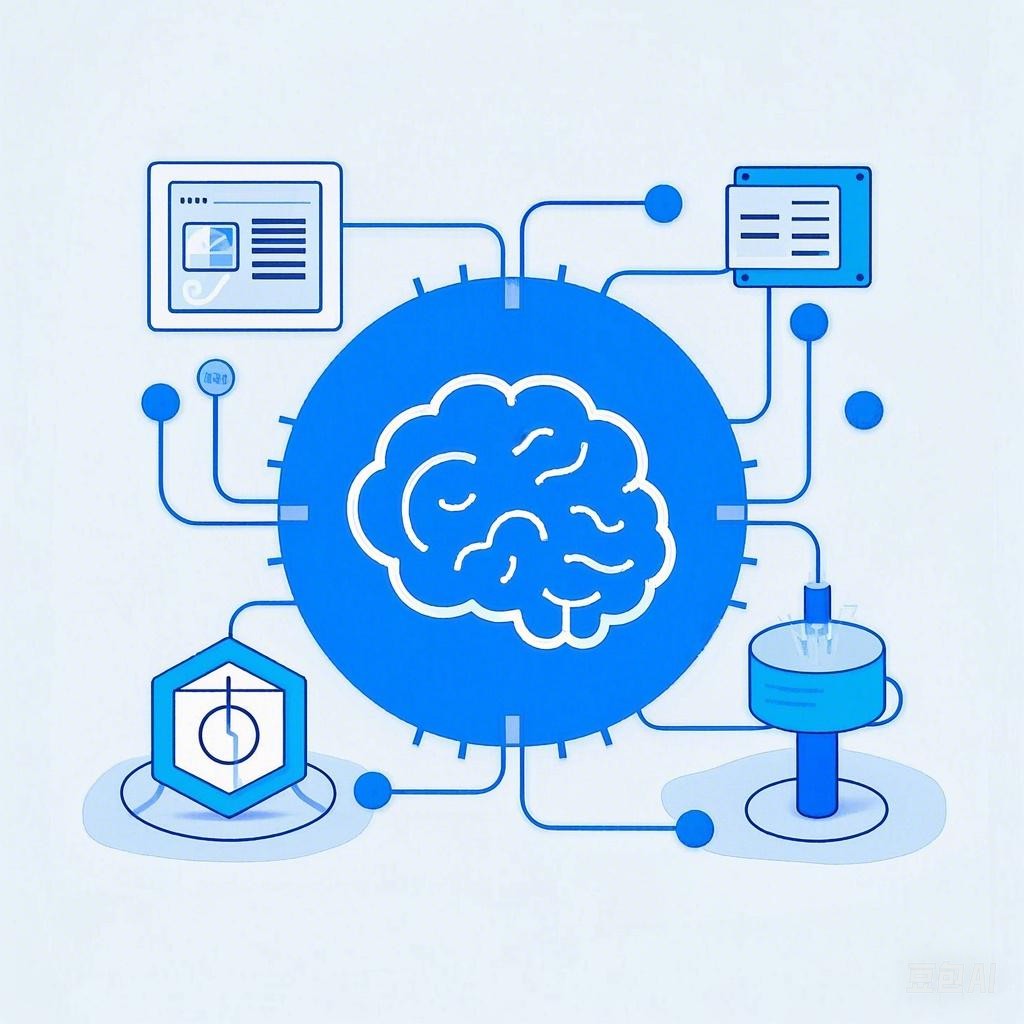
Interactive memory refers to the concept of a system that can store, retrieve, and manipulate information in a way that mimics human memory, allowing for dynamic and engaging interactions. This technology has applications in various fields, including education, healthcare, gaming, and virtual reality. In this article, we will explore the basics of interactive memory, its components, applications, and the challenges involved in its development.
Understanding Interactive Memory
Definition
Interactive memory is a system that can store and process information in a manner that is both dynamic and user-centric. It involves the ability to learn from user interactions, adapt to changing contexts, and provide personalized experiences.
Components
1. Data Storage
Interactive memory systems require a robust data storage mechanism to hold the information. This can range from simple databases to more complex neural networks.
2. Data Retrieval
Efficient retrieval algorithms are essential for accessing stored information quickly and accurately. This includes searching capabilities based on various criteria.
3. User Interface
A user-friendly interface is crucial for enabling users to interact with the system and provide feedback. This can be in the form of voice commands, gestures, or traditional input methods.
4. Learning Algorithms
Machine learning algorithms are employed to analyze user interactions and improve the system’s performance over time.
5. Adaptation Mechanisms
These mechanisms allow the system to adjust its behavior based on user preferences and changing circumstances.
Applications
1. Education
Interactive memory can be used to create adaptive learning systems that tailor educational content to individual students’ needs and learning styles.
2. Healthcare
In healthcare, interactive memory systems can assist in managing patient records, providing personalized treatment plans, and even predicting potential health risks.
3. Gaming
Gaming experiences can be enhanced by incorporating interactive memory, allowing for more immersive and personalized gameplay.
4. Virtual Reality
Interactive memory in virtual reality can create more realistic and engaging environments by adapting to the user’s actions and preferences.
Challenges
1. Data Privacy
Storing and processing personal information raises concerns about privacy and data security.
2. Scalability
As the amount of data and the complexity of interactions increase, ensuring that the system remains scalable and efficient becomes a challenge.
3. User Trust
Building trust in the system, especially in sensitive applications like healthcare, is crucial for its widespread adoption.
4. Ethical Considerations
The ethical implications of interactive memory, such as the potential for manipulation or bias, must be carefully considered.
Conclusion
Interactive memory is a promising technology with a wide range of applications. By combining data storage, retrieval, and learning algorithms, these systems can provide personalized and dynamic experiences. However, addressing challenges related to privacy, scalability, and ethical considerations is essential for the successful development and deployment of interactive memory systems.