引言
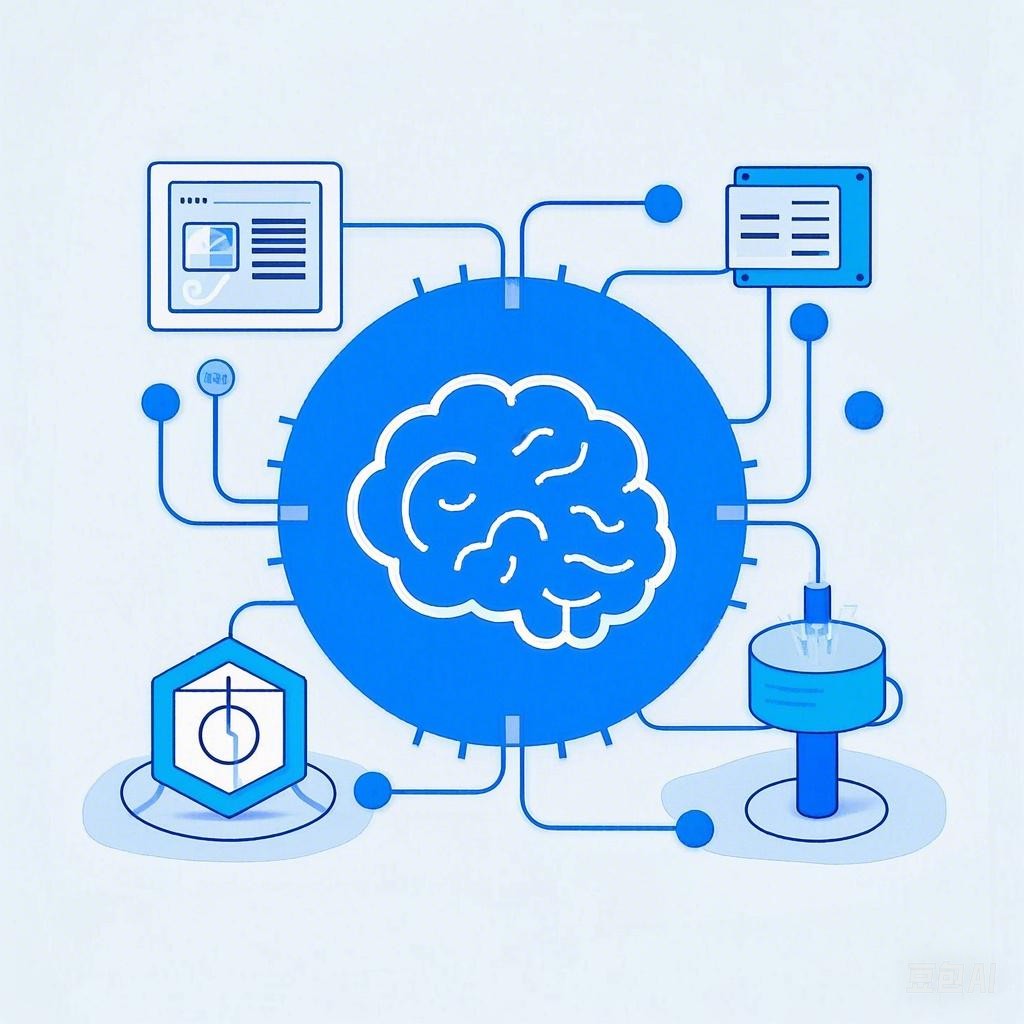
随着科技的飞速发展,智慧交互方案设计逐渐成为引领生活新变革的重要驱动力。本文将深入探讨智慧交互方案设计的概念、发展趋势及其在各个领域的应用,旨在为读者提供一个全面了解和展望这一领域的窗口。
智慧交互方案设计的概念
定义
智慧交互方案设计是指通过集成先进的传感器技术、人工智能、大数据分析等手段,实现人与物体、物体与物体之间的智能交互,从而提高生活品质和效率。
特点
- 智能化:通过人工智能技术,使交互过程更加智能、便捷。
- 个性化:根据用户习惯和需求,提供定制化的交互体验。
- 集成化:将多种技术手段集成于一体,实现跨平台、跨设备的无缝交互。
智慧交互方案设计的发展趋势
技术创新
- 人工智能:人工智能技术在智慧交互中的应用越来越广泛,如语音识别、图像识别等。
- 物联网:物联网技术的发展,使得更多设备实现互联互通,为智慧交互提供了硬件基础。
- 大数据分析:通过对海量数据的分析,为用户提供更加精准的交互体验。
应用领域
- 智能家居:通过智慧交互方案,实现家庭设备的智能控制,提高居住舒适度。
- 智慧医疗:借助智慧交互,提高医疗服务质量,实现远程医疗、健康管理等功能。
- 智慧交通:智慧交互方案在交通领域的应用,有助于提高交通效率,降低事故发生率。
- 智慧教育:通过智慧交互,实现个性化教学,提高教育质量。
智慧交互方案设计的实践案例
案例一:智能家居
以智能音响为例,通过语音识别技术,用户可以实现对电视、空调等家居设备的远程控制,实现便捷的家居生活。
# 智能音响代码示例
class SmartSpeaker:
    def __init__(self):
        self.devices = {"tv": None, "ac": None}

    def connect_device(self, device_type, device):
        self.devices[device_type] = device

    def control_device(self, command):
        if command == "turn on tv":
            self.devices["tv"].turn_on()
        elif command == "turn off ac":
            self.devices["ac"].turn_off()

# 设备类
class Device:
    def turn_on(self):
        print("Device turned on.")

    def turn_off(self):
        print("Device turned off.")

# 实例化智能音响
speaker = SmartSpeaker()

# 连接设备
speaker.connect_device("tv", Device())
speaker.connect_device("ac", Device())

# 控制设备
speaker.control_device("turn on tv")
speaker.control_device("turn off ac")
案例二:智慧医疗
以远程医疗为例,通过智慧交互方案,医生可以实现对患者的实时监测和远程诊断,提高医疗服务效率。
# 远程医疗代码示例
class RemoteMedical:
    def __init__(self):
        self.patients = {}

    def add_patient(self, patient_id, patient_info):
        self.patients[patient_id] = patient_info

    def monitor_patient(self, patient_id):
        patient_info = self.patients[patient_id]
        # 实现对患者的实时监测
        print(f"Monitoring patient {patient_id}: {patient_info}")

# 患者信息类
class PatientInfo:
    def __init__(self, name, age, symptoms):
        self.name = name
        self.age = age
        self.symptoms = symptoms

# 实例化远程医疗系统
remote_medical = RemoteMedical()

# 添加患者信息
remote_medical.add_patient(1, PatientInfo("John", 30, "headache"))

# 监测患者
remote_medical.monitor_patient(1)
总结
智慧交互方案设计作为引领生活新变革的重要驱动力,在各个领域的应用前景广阔。通过不断创新和探索,智慧交互将为我们的生活带来更多便捷和美好。